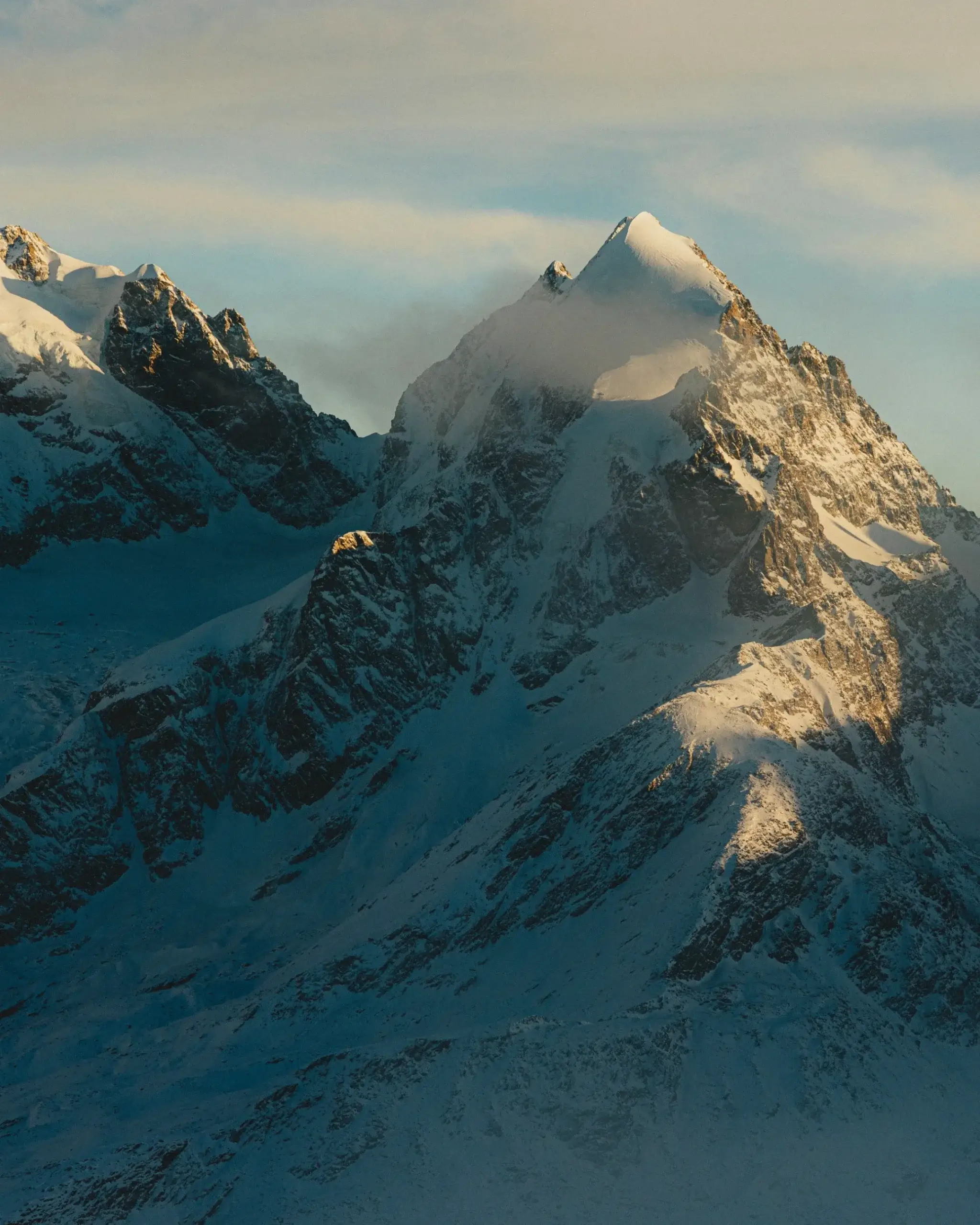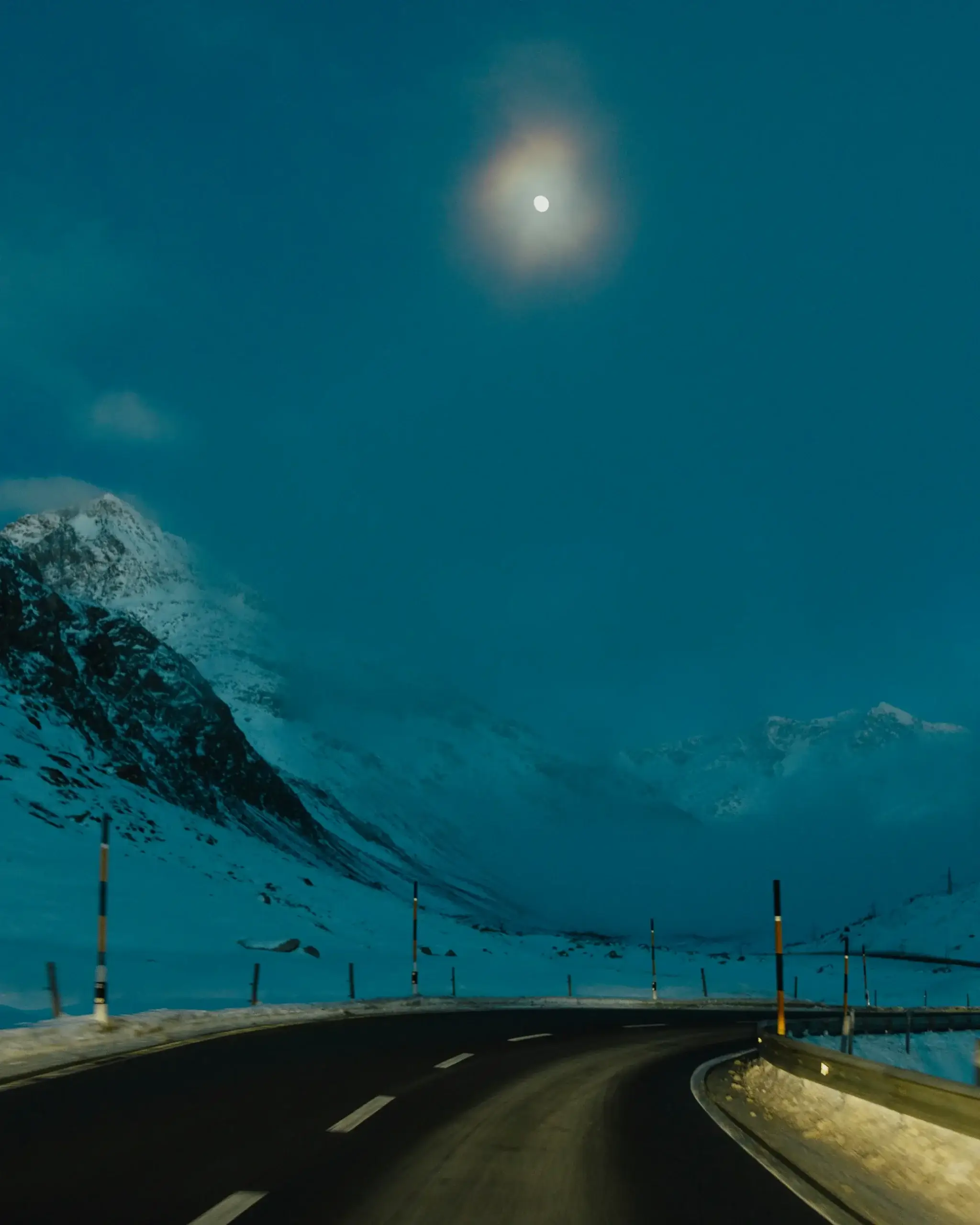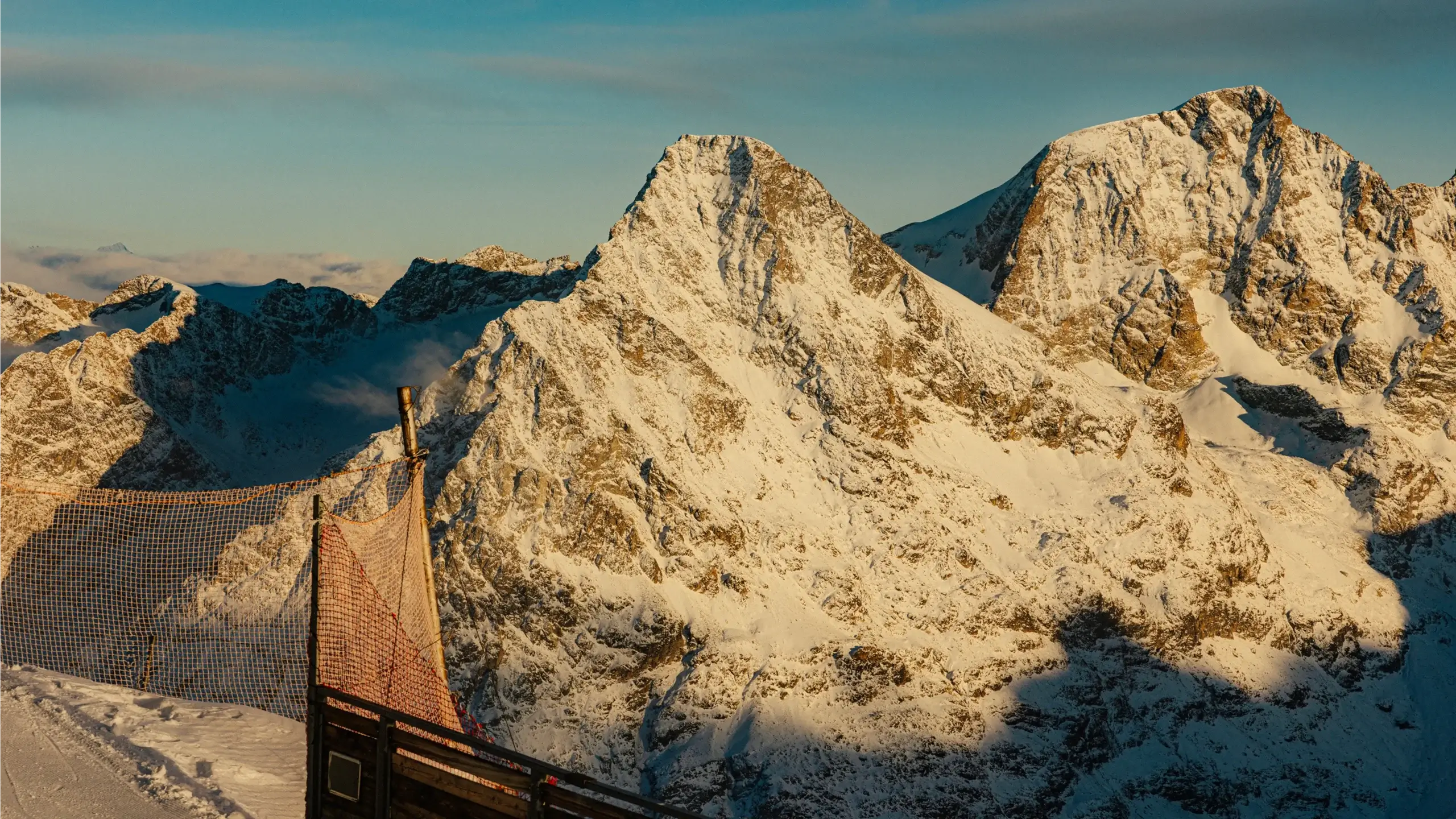
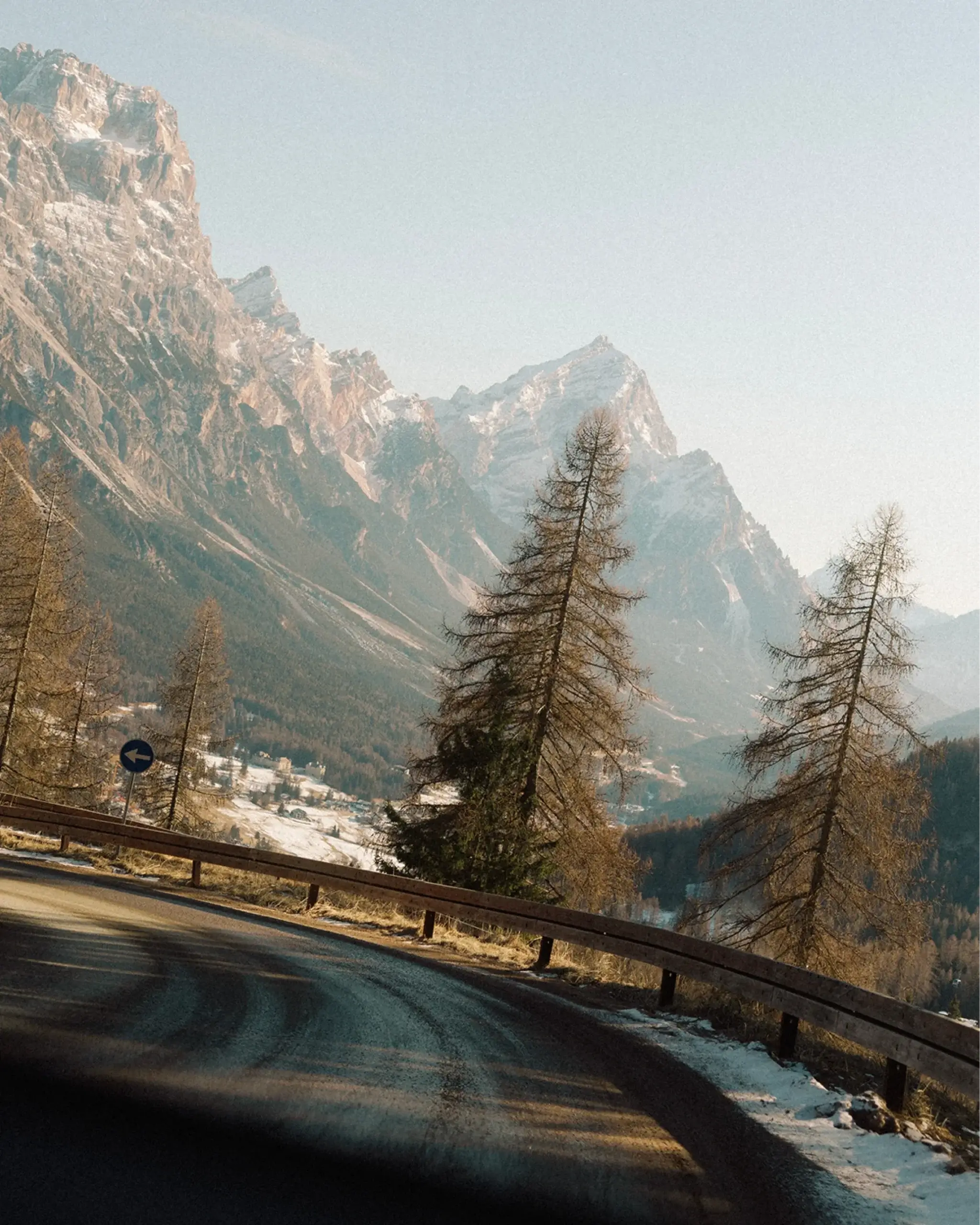
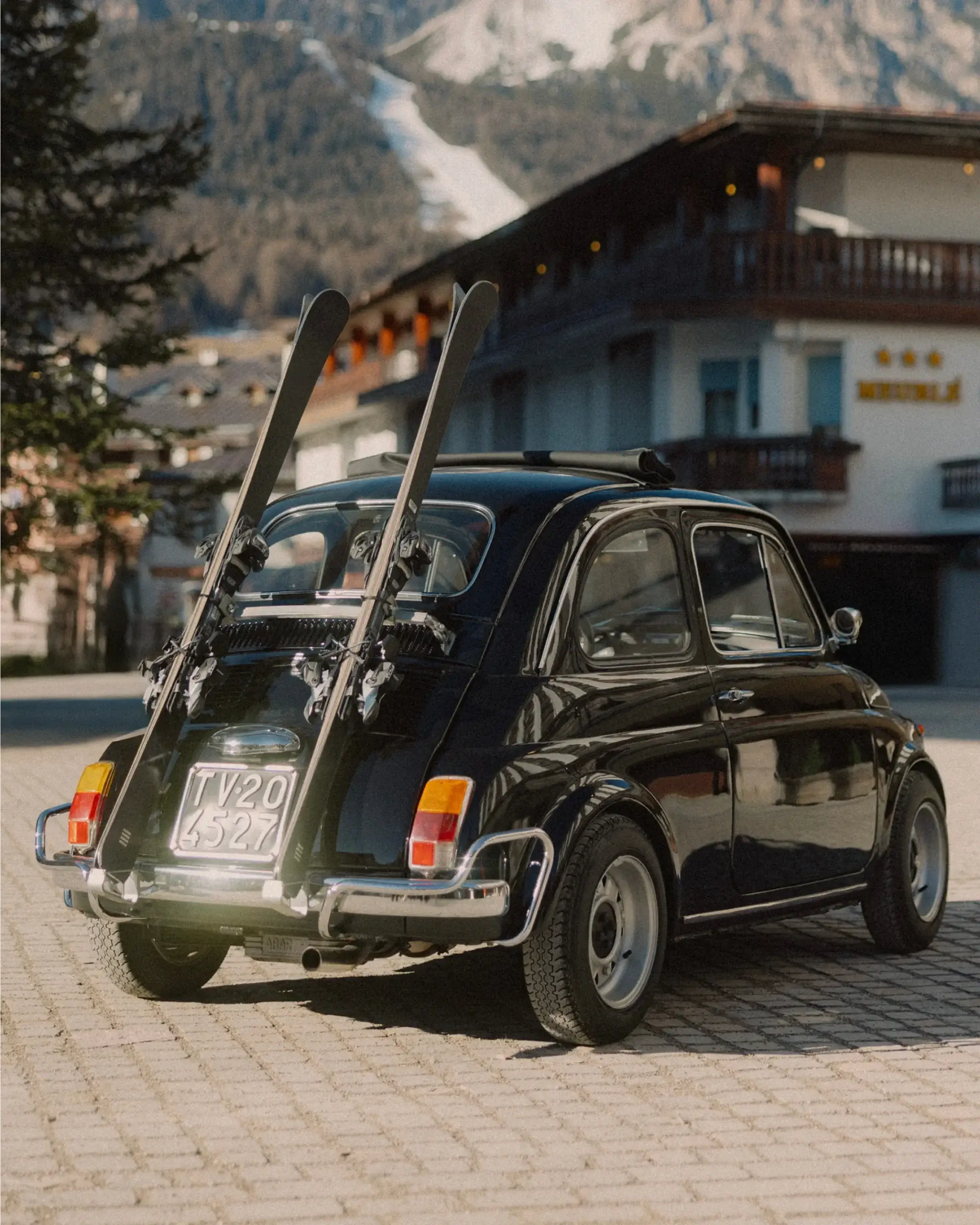
Winter culture speaks European. The prestige vocabulary of snow routes through Cortina, St. Moritz, Megève. The silhouette on a slope, the après-ski ritual, the grammar that defines what alpine luxury looks like. Conceived in the Alps, carrying the authority of a tradition that never needed to explain itself.
Americana exported jazz, denim, cinema, the mythology of the open road. It shaped how the century dressed and dreamed. What it kept to itself was snow. The West’s encounter with altitude, with the discipline of the mountain, produced a winter culture genuine and lasting that stayed in Colorado.
A generation of women dress in Americana, travel its landscapes, carry its confidence onto European slopes. They find a vocabulary that holds no memory of who they are. Prestige codes precise and beautiful, holding no space for someone whose relationship to altitude began on a different continent.
The Mountains Americana Kept to Itself
Aspen in 1947 was an act of imagination. A mining town at eight thousand feet deciding to become a way of life. The ski school, the first chairlift on the mountain, families arriving from both coasts who understood that altitude required equipment built with the conviction of someone who plans to return.
Seventy-seven years of that conviction produced a gaze. The Aspen gaze holds grandeur without reverence, takes the mountain seriously without losing wit. Dresses for powder with a hundred seasons stored in the cut, the seam, the fabric. A way of seeing snow built by a town that grew up at altitude.
Obermeyer has held that gaze since the beginning. The brand and the town share the same snow, the same light, the same understanding that mountain culture can be American without concession. Seven decades of vocabulary, sharpened by altitude, waiting for the right frame to carry it east.
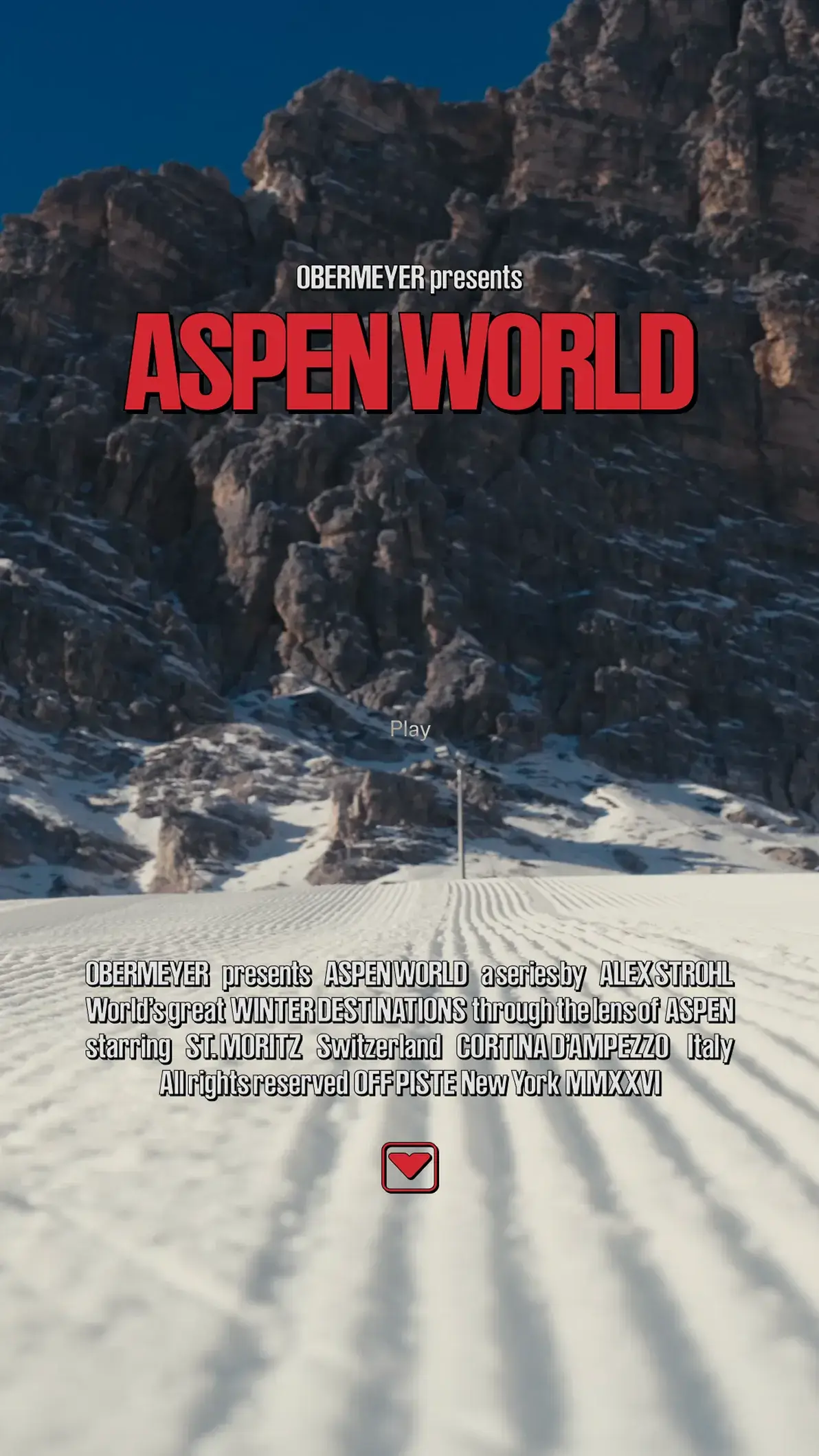
The frame arrived with the Olympics returning to the Dolomites. Every winter brand arriving at Cortina as a pilgrim at a European shrine. Obermeyer arriving as something else: a cultural emissary from Colorado carrying a perspective the Alps had never encountered, formed on a different continent.
She lands with Colorado still in her posture. The way she reads a piste is American: instinctive, physical, calibrated by altitude learned young. Cortina notices the difference the way a local notices an accent, with the hospitality the town reserves for those who arrive curious rather than reverent.
The Dolomite walls rise above Corso Italia like sentences no one finished writing. She walks the town the way she traverses a ridge, attentive to the grammar of the place, knowing that every mountain carries its own syntax and that syntax rewards those willing to learn it slowly.

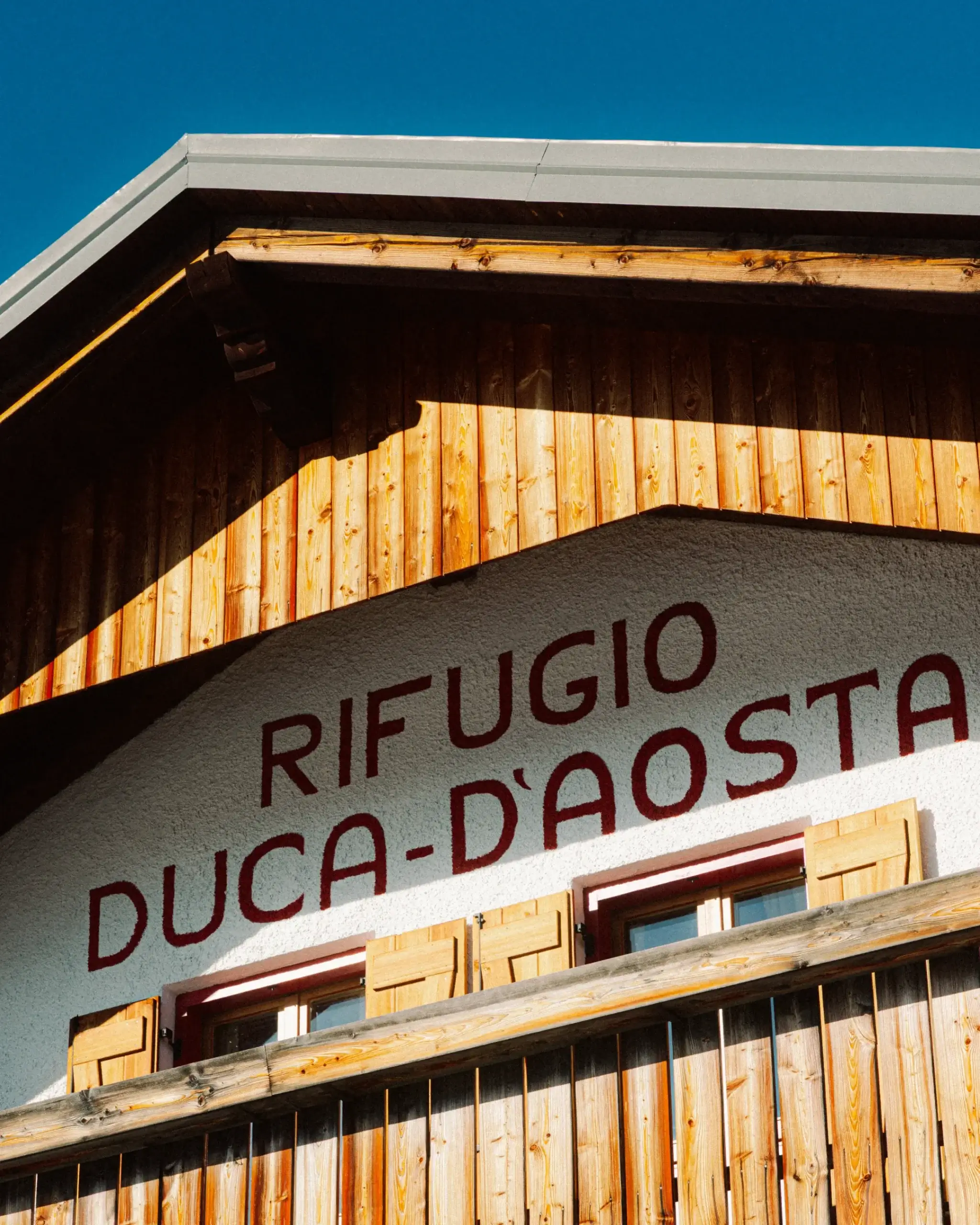
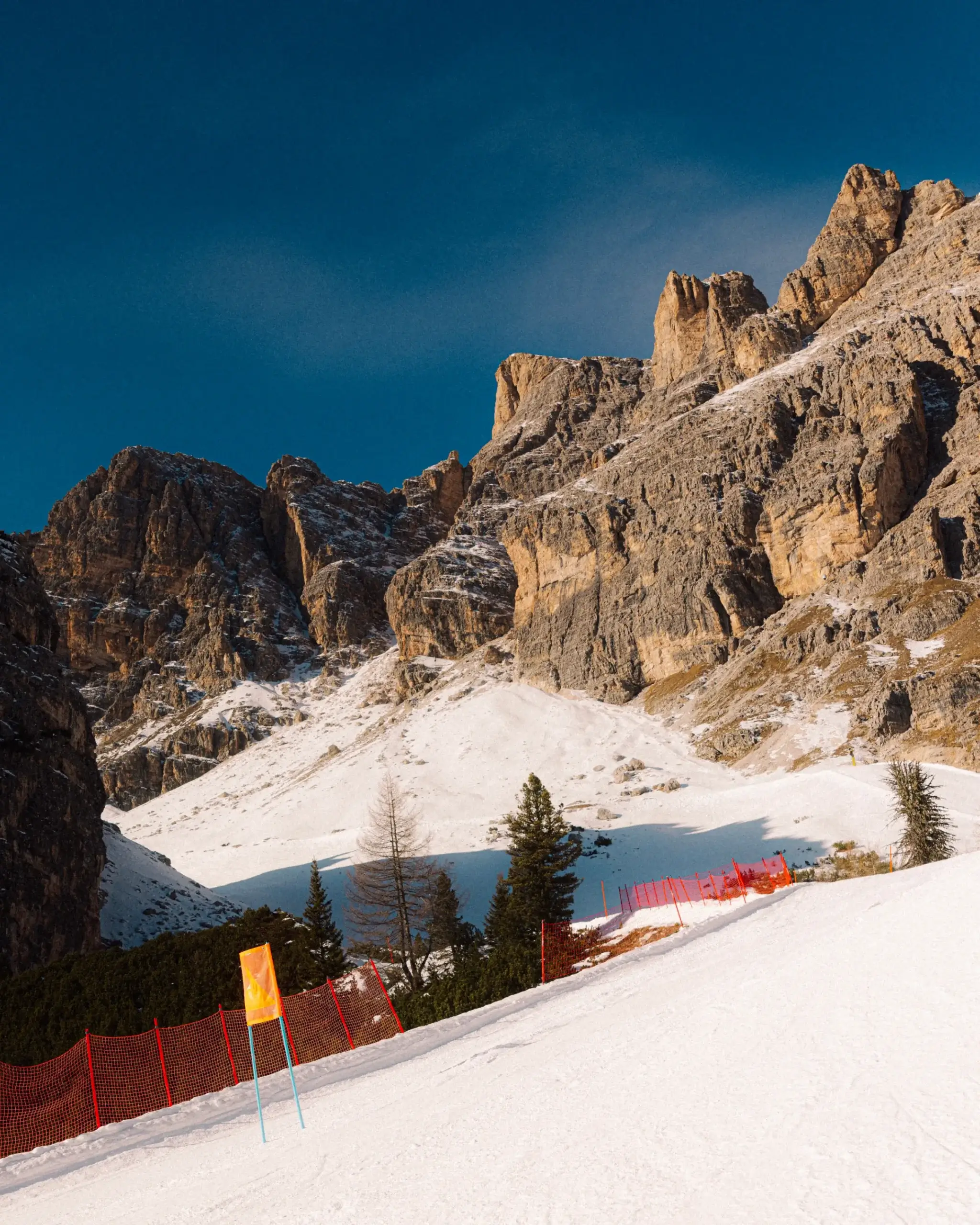
Where Two Languages Meet
Cortina carries a formality Aspen shed long ago. Where Aspen improvises, Cortina choreographs. Where Aspen trusts instinct, Cortina trusts lineage. The encounter produces a friction that looks on the slope like recognition and in the photographs like tenderness.
The collection belongs because it shares coordinates with the gaze. A jacket cut for Colorado powder on a Cortina chairlift above the treeline. A silhouette built for the Rockies moving through Dolomite granite. The garment translates because it carries the same vocabulary as the woman wearing it.
This is what Obermeyer carried across the Atlantic. A winter culture born in Colorado, shaped by seventy-seven years of mountain living, arriving at the peaks that wrote the original rules. The crossing produced something European heritage, speaking only to itself, could never generate.
“I grew up in the Alps and learned to see in the American West. Bringing one gaze toward the other, I understood what Obermeyer had been carrying in Colorado for seventy-seven years. A way of reading winter the Alps had been waiting for without knowing it.”
Alex Strohl
What emerged from Cortina is a document of translation. The Dolomites held by a lens formed in the American West, producing images that carry warmth in the cultural sense: memory, ease, a nonchalance that belongs to Aspen and travels only when the vessel holding it is precise enough.
The vessel is Obermeyer. Seven decades learning the altitude and the light of Colorado before carrying any of it elsewhere. Every garment in the frame designed in the same town that formed the gaze. The clothes and the perspective, inseparable because they come from the same snow.
Aspen World offers recognition to a generation who dress in Americana and step onto European slopes finding a language with no space for who they are. A winter vocabulary that starts in Colorado, crosses the Atlantic with its grammar intact, and arrives with an accent the Alps recognize.

A Format That Travels
St. Moritz follows as the next chapter. The Engadin valley receiving the Colorado gaze, a landscape that wrote the first page of alpine tourism met by a perspective from a different continent. The series continues. The vocabulary travels. The encounter produces something singular each time.
Aspen World is a property Obermeyer owns outright. A series growing with each destination, each chapter the same encounter: a mountain the world thinks it knows, met by a perspective that reveals something the mountain never knew it lacked. The dictionary expanding with every crossing.
The conversation Aspen started in 1947 is finally crossing borders. A brand forged in Colorado snow carrying mountain culture toward the ranges that wrote the original vocabulary. The lexicon was always there, written in powder and denim. The next mountain is waiting, somewhere in the Aspen World.